 Nov 28, 2026
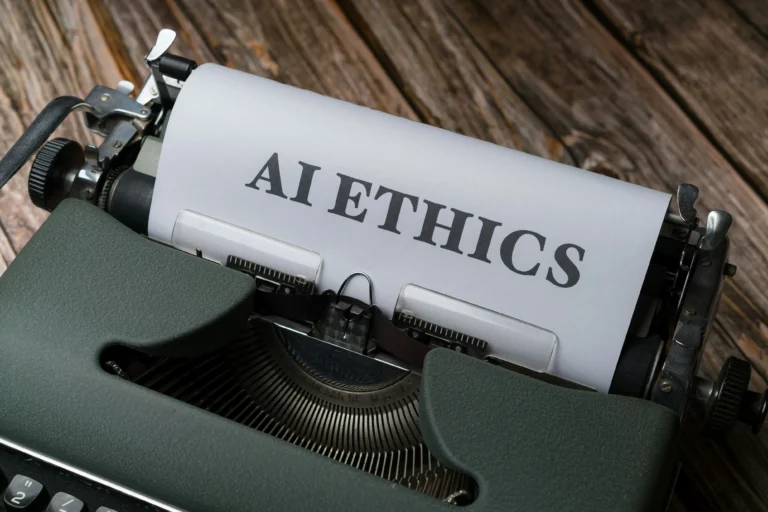
AI Guardrails: Ethics Must Become a Critical Governance Guardrail in the Age of AI
Third Article in the Series on AI Guardrails focusing on the importance of Ethics in the IA Guardrails.
 LATAM SCALEUP
BLOG
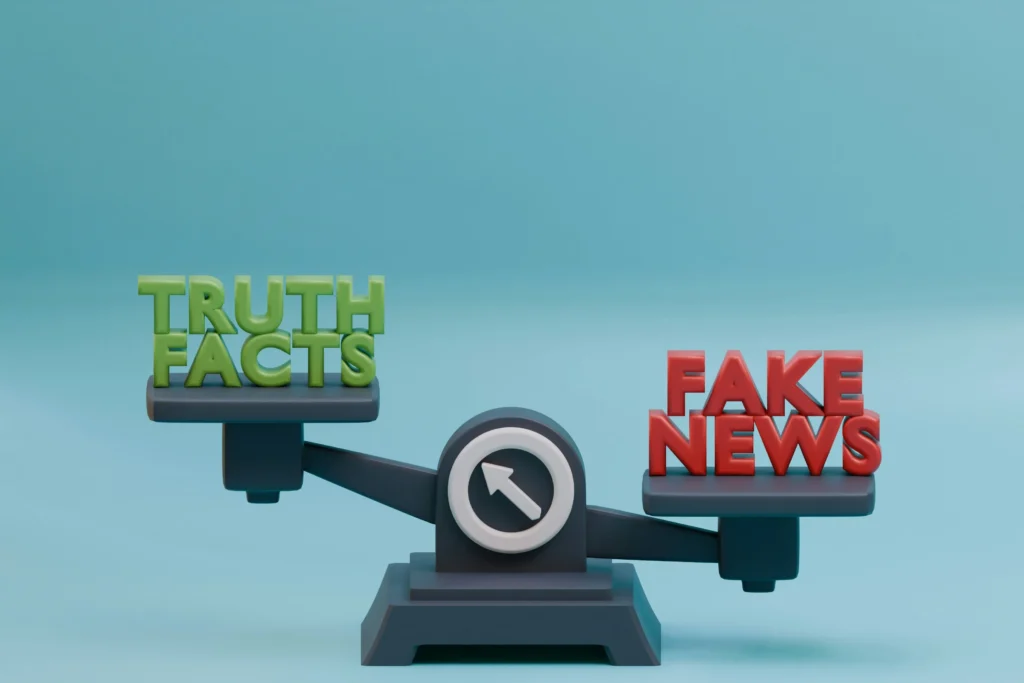
Brand care does not mean sweeping problems under the rug or corrupting or pressuring people to keep failures from coming to light. That does not protect a brand. It is remarkable that something so obvious still needs to be said.
Brand care means ensuring that conduct harmful to the company’s values is addressed through education, procedures, standards, and an environment in which people are free to criticize and raise concerns about misconduct.
In marketing and communications, protecting the brand is even more sensitive because, while companies want to sell products and services, they must also make commitments that go beyond the sale itself.
In the age of AI, information spreads at extraordinary speed.
This factor, combined with the reality that people still rely on AI for guidance on managing their health, choosing a physician, and checking facts, creates an extremely challenging environment for those responsible for corporate communications.
Consider the following example:
A sales platform decides to use artificial intelligence in its commercial algorithm to offer different prices based on the customer’s location or even socioeconomic status. The decision is based on research suggesting that lower-income consumers tend to prefer installment purchases through “buy now, pay later” offers and typically do not compare prices.
Based on this information, the commercial team presents the new strategy to the CEO, who forwards it to the board of directors. The board approves it immediately, focusing on rapid financial results.
A consumer, however, compares prices and discovers that the same product is being sold at different prices depending on the buyer’s address. The company is reported and subsequently sued by several consumer protection agencies.
The damage to the brand is enormous. Consumers begin to distrust the platform, and customer cancellation rates increase significantly.
This simple example is only the tip of the iceberg.
Marketing and communications teams have access to a great deal of sensitive information and rely on numerous third-party resources.
Another important point is that highly creative outside firms are often essential to keeping a brand fresh and relevant to its target audiences. These firms, however, do not always follow rigorous rules governing the guardrails required for AI use. Many lack access to professionals with specialized AI expertise and do not have the budgets needed to invest in practices that prevent the misuse of AI from harming the brands they serve.
Introducing artificial intelligence into an organization is neither simple nor inexpensive.
Companies should therefore conduct due diligence on vendors to determine whether they are using sufficiently robust safeguards to prevent campaigns, ideas, and data from leaking. If these safeguards are absent but the vendors remain essential to the creation of campaigns and relevant ideas, the client company should develop a good-practices manual that enables each vendor to meet the established requirements over time. If a vendor lacks resources, one alternative is for the client company to subsidize access to viable, secure platforms.
Among the principal requirements, it is essential to verify that company departments and vendors have policies governing the use of original images, text, and audio; that royalties are paid; and that such materials are not manipulated by AI without the creators’ explicit consent.
The use of AI in communications materials must also be disclosed explicitly. The public needs to know which materials were produced with AI. When the material is sensitive—for example, political campaigns or campaigns promoting particular ideas or claims—the use of AI must be disclosed to the public.
In other words, transparency should be used consistently to identify AI-generated images, synthetic videos, artificial voice-overs, virtual avatars, and automatically generated personalized content.
Boards of client companies should also exercise oversight and require double-checks of marketing and communications procedures to prevent future problems. They should regularly monitor the number of campaigns developed with AI, levels of human review, incidents involving AI-produced materials, the percentage of consumer complaints related to AI campaigns, and regulatory notices. Other important measures include the reputational impact of campaigns, incident response time, and the brand trust index. Before launching any campaign, the risks identified prior to publication should be documented. This is not an exhaustive list, but it demonstrates that guardrails for marketing and communications are essential to protecting the brand and ensuring business continuity.
About the Authors:
Sandra Sinicco is an entrepreneur, board member, and specialist in business internationalization, innovation, and communications. She is CEO of LatamScaleUP and GrupoCASA and leads Tech Brazil Advocates. Throughout her career, she has supported more than 500 companies entering and expanding across Latin America. She also works on corporate governance, startup development, global mindset, and businesses that generate positive social and environmental impact.
Fabio Teixeira is an executive, board member, entrepreneur, and author with more than 30 years of experience in leadership, business transformation, and international operations. He is co-founder of FD AI & Tech Solutions and author of Boarding the Future: Governing Transformation from Boardroom to Startup. He holds the NACD Directorship Certified™ credential and is specialized in technology and responsible artificial intelligence governance. He works at the intersection of corporate governance, artificial intelligence, innovation, and business transformation, advising boards, executives, and technology companies.
KEEP READING
Nov 28, 2026
Third Article in the Series on AI Guardrails focusing on the importance of Ethics in the IA Guardrails.
 Nov 2, 2026
Segundo artigo da série sobre Guardrails para Inteligência Artificial . English version below the Portuguese. *Fabio Teixeira…
 Oct 19, 2026
Este é o primeiro artigo de uma série de 4, aprofundando o tema dos guardrails, que quer…